DIETER FINKE
DIETER FINKE
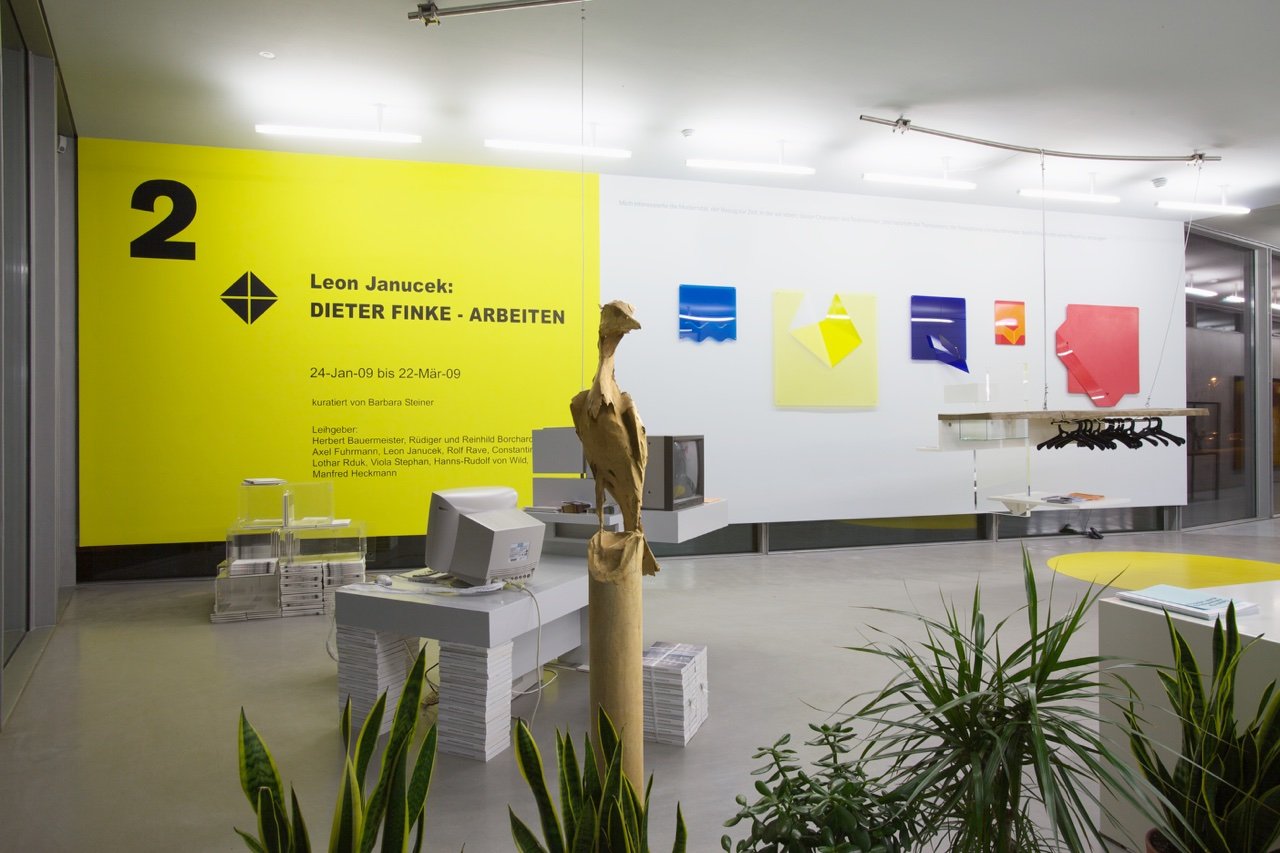
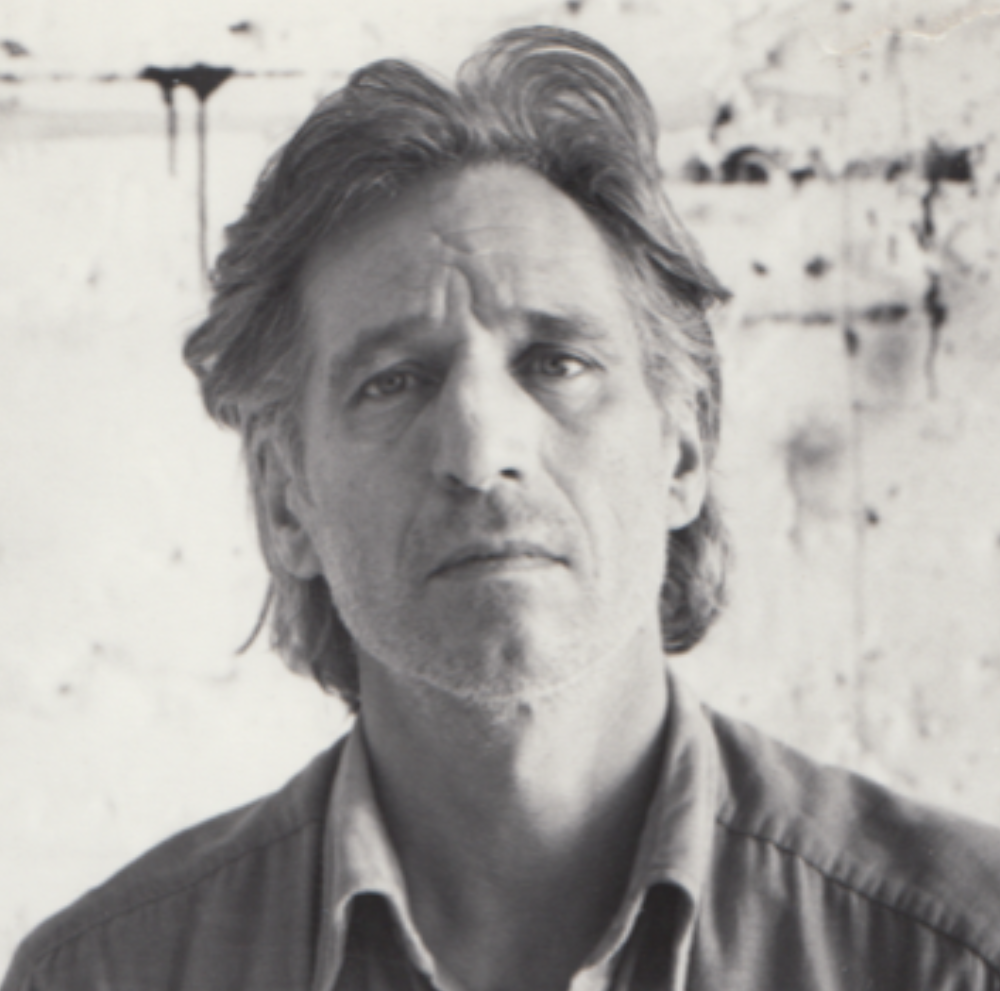
Dieter Finke (1939–2011) was a solitary seeker who inhabited the tension between classical tradition and the radical avant-garde. As the final master student of Renée Sintenis, where he obtained his mastery of classical anatomy, his artistic trajectory was marked by a series of elemental upheavals — in 1962, he abruptly destroyed nearly all his existing animal models to pivot toward a ‘spiritual, pure form’ inspired by Brancusi. His formative years modding ornaments and beasts for the CCC Film Studios (Berlin) — working at “lightning speed” to capture the essentials of form for productions like Tiger of Bengal—instilled a lifelong sensitivity to how light and shadow define physicality. This cinematic grounding eventually evolved into his “relational works,” sculptures that rejected the static “white cube” of traditional galleries in favor of dynamic environments where the artwork, light, and the viewer’s own movement are inextricably linked.
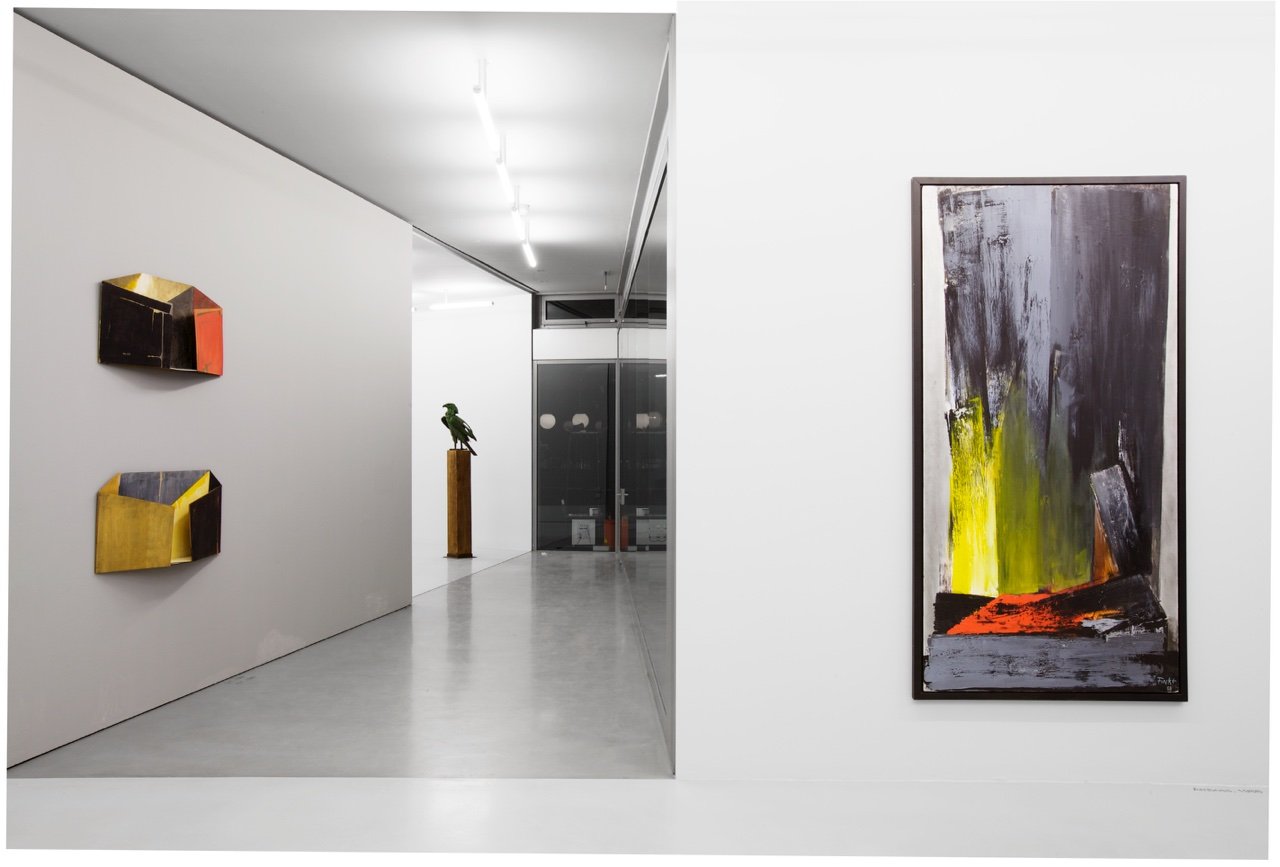
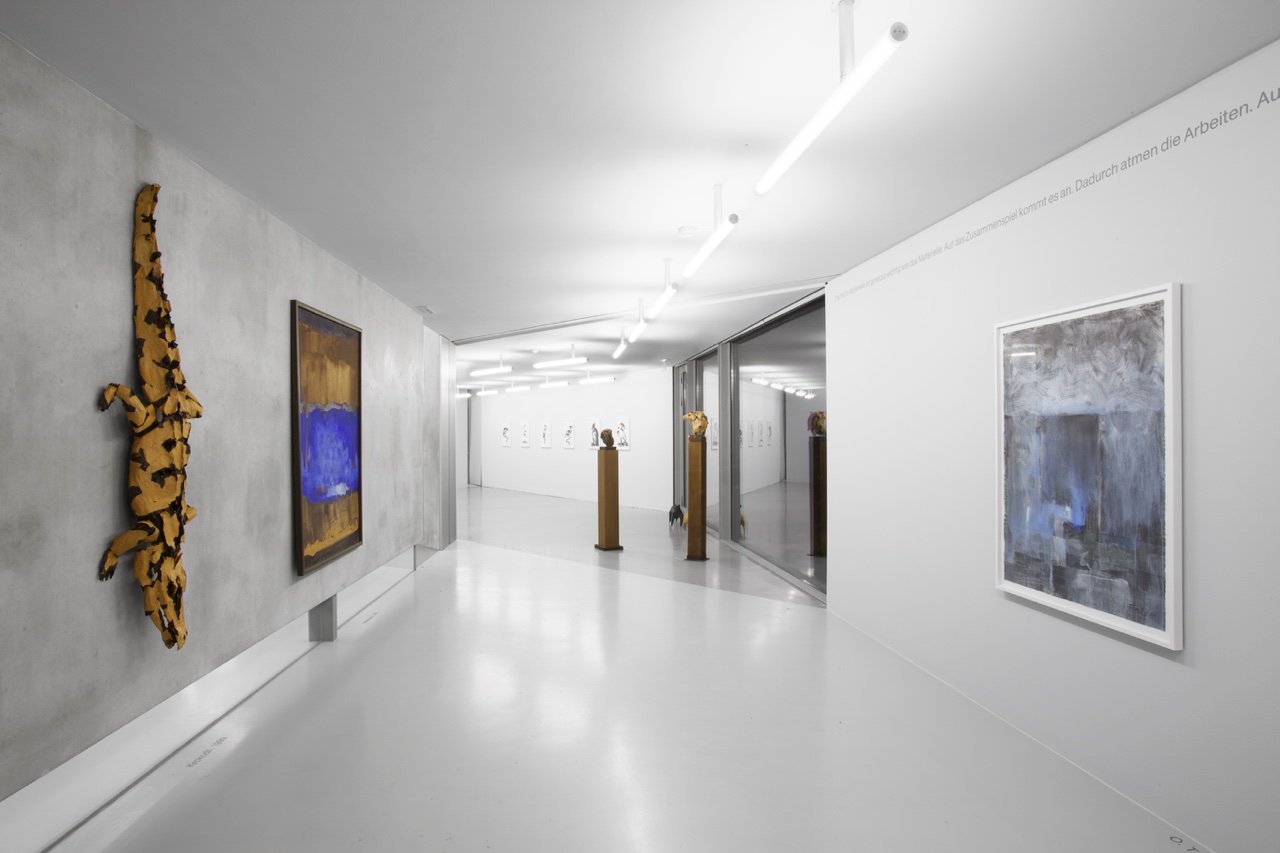
Finke’s artistic inquiry was a “lengthy research process” that spanned the isolated island of West Berlin and the gritty lofts of the New York avant-garde. In the 1970s, he lived and worked alongside figures like William Copley and Gordon Matta-Clark, participating in the seminal Berlin Now exhibition and receiving a prestigious guest studio at P.S.1. It was within this urban density that he developed his groundbreaking research into Plexiglas, creating “volumes based on voids” that shimmered with reflections and transparency. These experiments transitioned into large-scale gestural drawings on sailcloth and his “spatio-temporal agglomerations”—three-dimensional plywood collages that merged fragmented photography of the Manhattan docks with suggested painterly space. Finke viewed these works not as mere pictures but as ritual objects and “cave entrances,” thresholds inviting the observer into an intellectual actualization of memory and material.
The final synthesis of Finke’s career occurred through a technical breakthrough at the Hermann Noack Foundry: the ability to cast ephemeral, fragile paper models into bronze using a silicon-casting technique. This allowed his “wanderers between worlds”—skeletal panthers, roosters, and guardians—to carry the “featherlight” and provisional quality of paper within the permanence of heavy metal. These perforated figures act as silent witnesses to the boundaries between life and death, movement and stasis. From his Villa Serpentara scholarship in Italy to major retrospectives at Mexico City’s Museo Universitario del Chopo and the GfZK Leipzig, Finke remained relentlessly undogmatic, searching for the absolute essence of vitality. Whether through the ‘calculated wildness’ of his wood-carved warriors or the depth of his non-figurative paintings, his oeuvre coheres into a single interconnected field that bridges European sculpture with international modernism.