
Artist
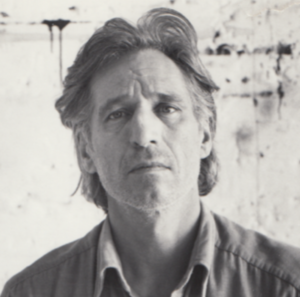
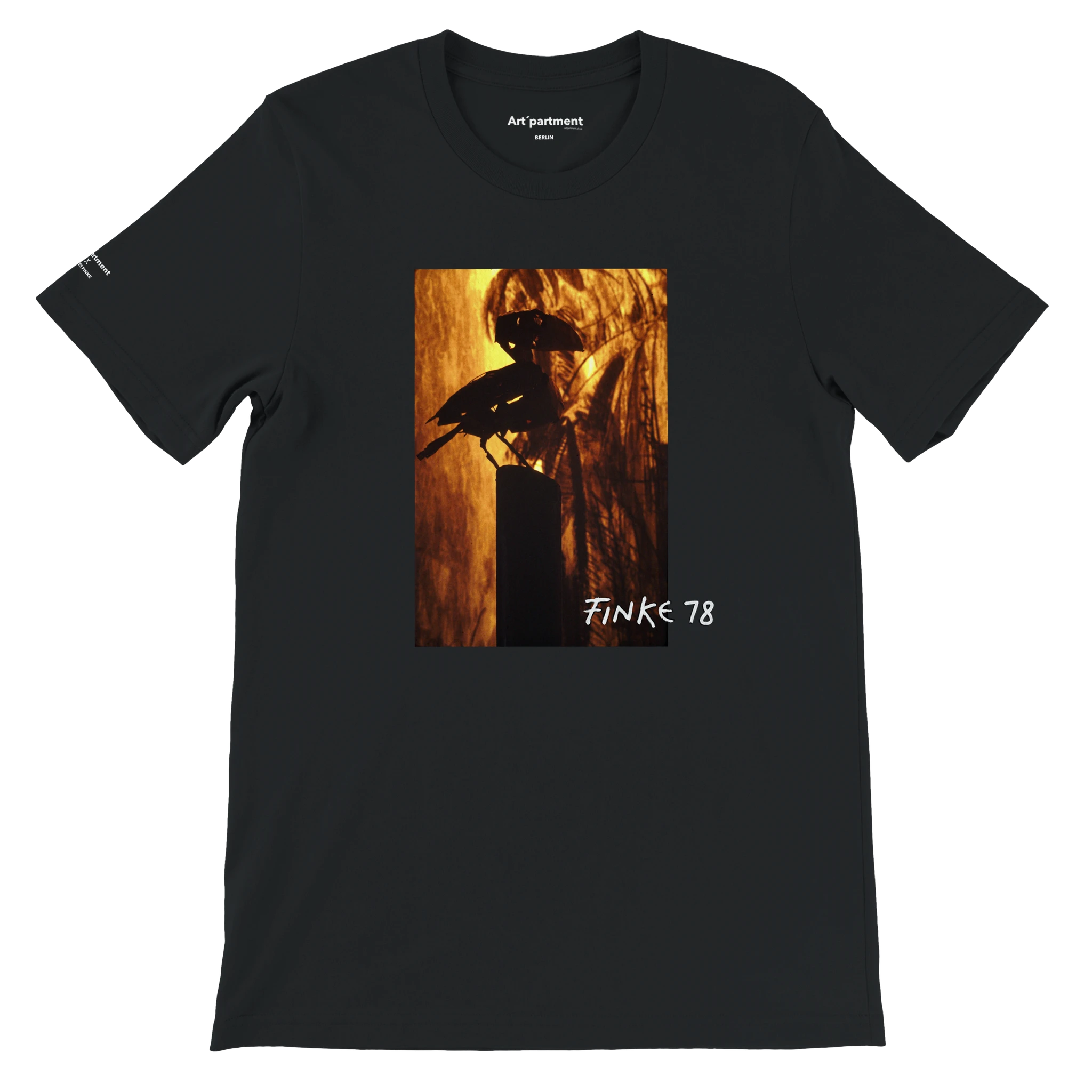
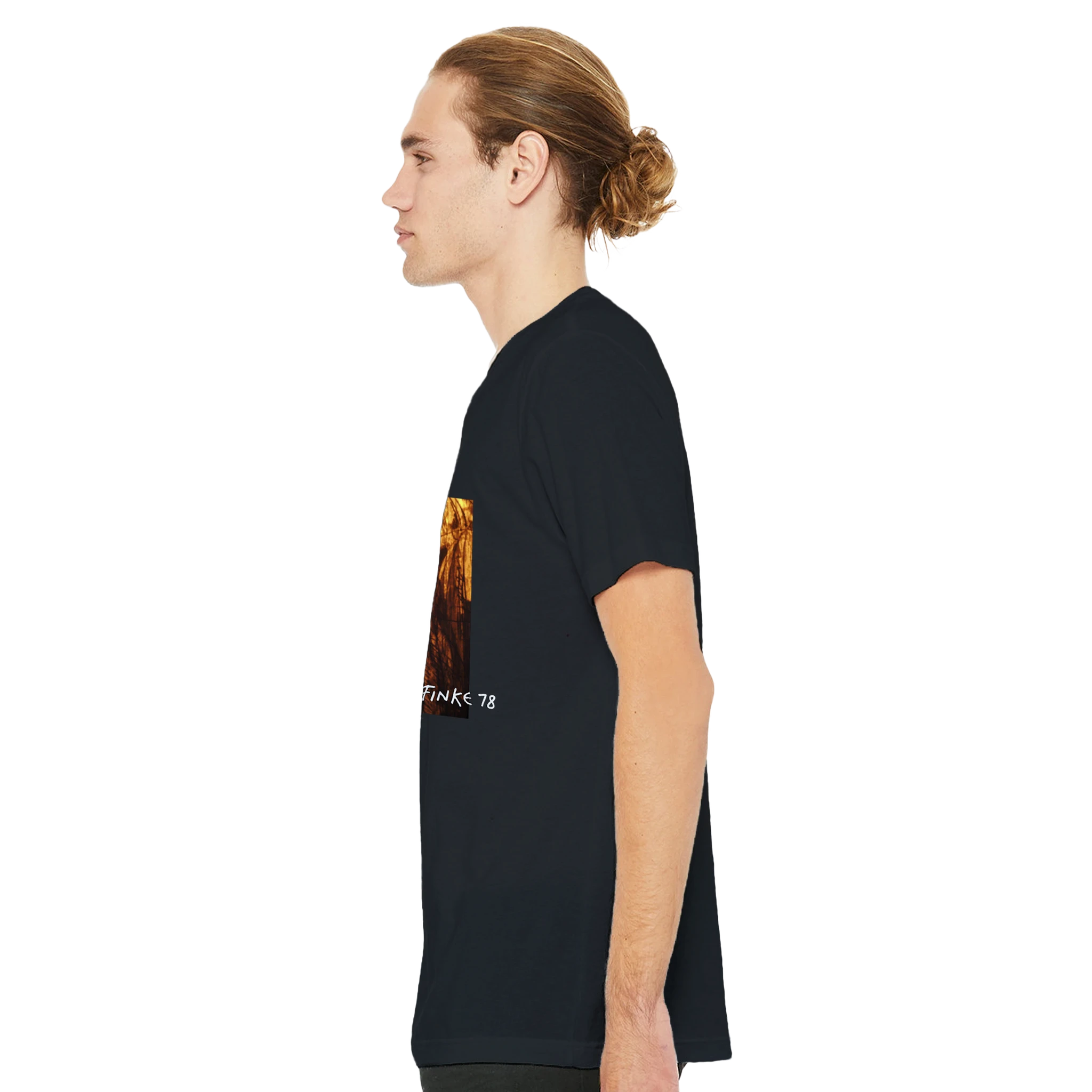
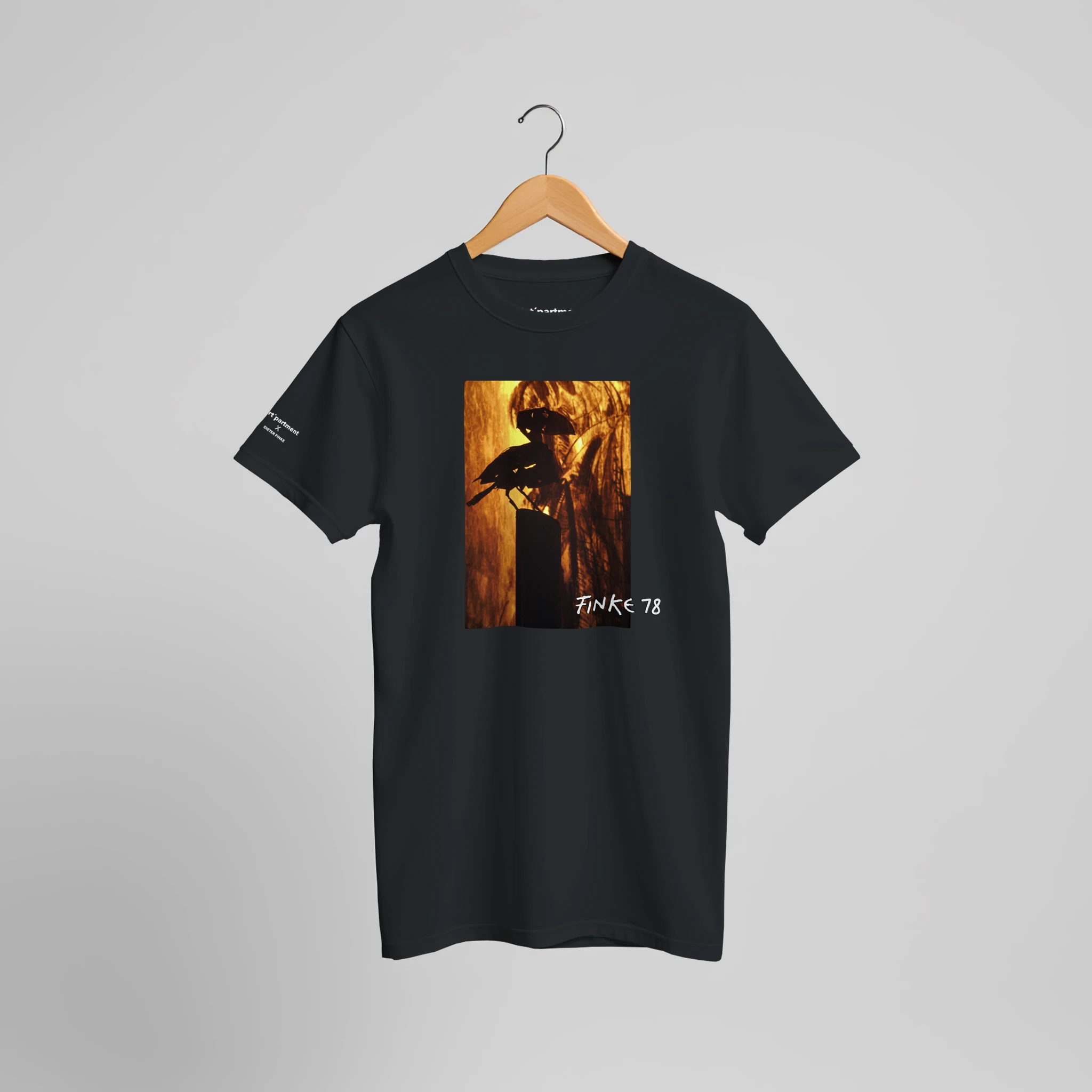
Dieter Finke (1939–2011) was a solitary seeker who inhabited the tension between classical tradition and the radical avant-garde. As the final master student of Renée Sintenis, where he obtained his mastery of classical anatomy, his artistic trajectory was marked by a series of elemental upheavals — in 1962, he abruptly destroyed nearly all his existing animal models to pivot toward a ‘spiritual, pure form’ inspired by Brancusi. His formative years modding ornaments and beasts for the CCC Film Studios (Berlin) — working at “lightning speed” to capture the essentials of form for productions like Tiger of Bengal—instilled a lifelong sensitivity to how light and shadow define physicality. This cinematic grounding eventually evolved into his “relational works,” sculptures that rejected the static “white cube” of traditional galleries in favor of dynamic environments where the artwork, light, and the viewer’s own movement are inextricably linked.